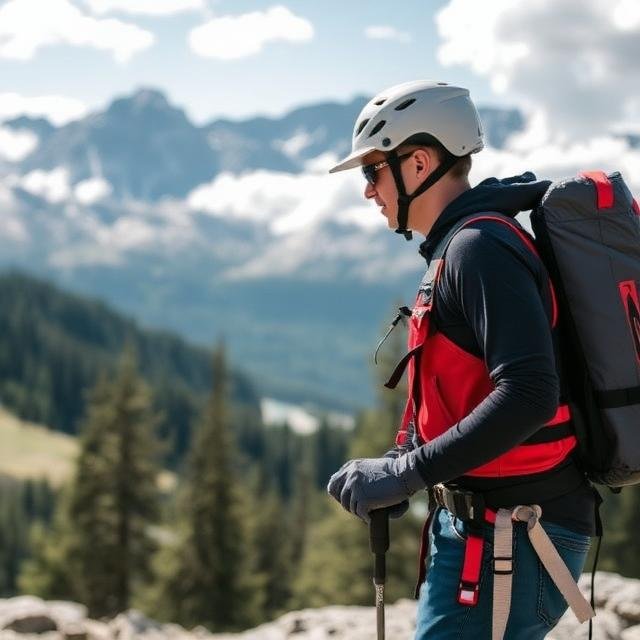
Essential Outdoor Sports Safety Tips for Beginners: Stay Fit, Have Fun, and Avoid Injuries
Outdoor sports are a fantastic way to stay fit, connect with nature, and enjoy time with friends and family. However, beginners often underestimate the risks involved, which can lead to injuries or accidents. Following safety guidelines is crucial to ensure a fun and injury-free experience. If you’ve ever asked, “What are some outdoor safety tips?”, “What are the 7 safety rules?”, or “What are 10 basic safety rules?”, this guide provides a detailed, point-to-point approach to help beginners stay safe.
From understanding exercise safety to preparing your gear, we cover everything you need to know to enjoy outdoor sports responsibly.
Why Safety Is Important in Outdoor Sports
Outdoor activities come with variables like uneven terrain, weather changes, and physical exertion. Beginners are more susceptible to injuries because of lack of experience or preparation. Key reasons to prioritize safety include:
- Preventing injuries such as sprains, fractures, or muscle strains
- Protecting against environmental hazards (sun exposure, dehydration, wildlife)
- Ensuring long-term enjoyment and participation
- Building confidence while learning new sports
By following safety tips, beginners can gradually increase intensity without risking their health.
What Are Some Outdoor Safety Tips?
Here are essential safety tips for outdoor sports enthusiasts:
1. Warm Up Before Starting
- Stretching and light exercises prepare muscles and joints
- Reduces risk of strains and pulls
2. Wear Proper Gear
- Use sport-specific shoes, helmets, gloves, or pads
- Protective gear reduces the impact of falls or collisions
3. Hydrate Regularly
- Drink water before, during, and after activity
- Dehydration can lead to fatigue, dizziness, or cramps
4. Check Weather Conditions
- Avoid extreme heat, storms, or icy conditions
- Plan for clothing and gear appropriate for the weather
5. Know Your Limits
- Start with beginner-friendly intensity
- Gradually increase distance, speed, or difficulty
6. Play in Safe Areas
- Choose parks, trails, or fields with proper surfaces
- Avoid dangerous locations with uneven or slippery terrain
7. Learn Proper Techniques
- Take lessons or watch tutorials for sports like climbing, kayaking, or cycling
- Correct form prevents injuries and improves performance
8. Use Sun Protection
- Apply sunscreen, wear hats, and use sunglasses
- Prevents sunburn and long-term skin damage
9. Carry a First Aid Kit
- Include bandages, antiseptics, pain relief, and emergency contacts
- Quick treatment can prevent minor injuries from worsening
10. Never Go Alone for Risky Activities
- Bring a partner for activities like hiking, climbing, or water sports
- Provides immediate help in case of accidents
What Are 10 Basic Safety Rules?
For beginners, following structured rules ensures safer outdoor experiences. Here are 10 basic safety rules:
- Always Warm Up and Stretch – Prepares your body and reduces injury risk
- Wear Appropriate Gear – Protects joints, head, and extremities
- Stay Hydrated – Essential for performance and safety
- Check the Weather – Avoid conditions that increase risk
- Know Your Limits – Prevents overexertion and fatigue
- Learn Correct Techniques – Avoids strain or accidents
- Be Aware of Your Surroundings – Watch for obstacles, wildlife, or traffic
- Use Sun and Insect Protection – Prevents burns, bites, and allergic reactions
- Carry a Communication Device – Keep phone or emergency device accessible
- Respect Rules and Boundaries – Follow trail signs, park regulations, or local safety guidelines
What Are the 7 Safety Rules?
Another way to summarize beginner safety is through 7 key safety rules:
- Warm Up Properly – Always start with gentle stretches or exercises
- Wear Protective Gear – Helmets, pads, and sport-specific footwear
- Hydrate and Fuel – Drink water and eat energy-boosting snacks
- Check Weather and Terrain – Avoid dangerous conditions
- Know Your Limits – Don’t push beyond skill or fitness level
- Learn Proper Techniques – Prevents poor form and injuries
- Play Responsibly – Follow rules, respect others, and stay aware
What Are the 5 Rules of Exercise Safety?
Exercise safety focuses on protecting the body during physical activity. Here are 5 rules of exercise safety particularly relevant for outdoor sports:
- Warm Up and Cool Down – Prepares muscles and prevents post-activity soreness
- Maintain Proper Form – Reduces risk of strain or injury
- Listen to Your Body – Stop if you feel pain, dizziness, or extreme fatigue
- Progress Gradually – Increase intensity or duration slowly over time
- Stay Hydrated and Nourished – Supports energy levels and recovery
Safety Tips by Sport
Hiking
- Wear sturdy footwear
- Bring maps, GPS, or a compass
- Avoid risky trails beyond your experience level
Cycling
- Always wear a helmet
- Use reflective clothing for visibility
- Follow road or trail rules
Swimming or Water Sports
- Swim in supervised areas
- Use life jackets when required
- Never swim alone in open water
Team Sports (Soccer, Basketball, Volleyball)
- Warm up before playing
- Use proper shoes and protective gear
- Avoid aggressive collisions
Climbing
- Check harness, ropes, and carabiners
- Learn proper belaying techniques
- Always climb with a partner
Preparing Mentally for Outdoor Sports
Safety isn’t just physical—it’s mental too:
- Stay Focused: Avoid distractions while playing or exercising
- Stay Calm: Panic increases risk of accidents
- Plan Ahead: Know the route, rules, and emergency procedures
- Expect the Unexpected: Prepare for changes in weather or unexpected obstacles
Common Mistakes Beginners Make
- Skipping warm-up and cool-down
- Ignoring protective gear
- Overestimating fitness or skill level
- Playing in unsafe or unsuitable environments
- Not hydrating or eating properly
- Neglecting sun protection
- Not knowing emergency contacts or first aid
Avoiding these mistakes drastically reduces risk.
Sample Safety Checklist for Beginners
Before heading out, ensure you have:
- Sport-specific gear (helmet, pads, shoes)
- Water bottle and snacks
- First aid kit
- Weather-appropriate clothing
- Sunscreen and insect repellent
- Mobile phone or communication device
- Knowledge of the area, trail, or field rules
- Partner or buddy for high-risk activities
Final Thoughts
Outdoor sports are an incredible way to stay fit, have fun, and enjoy nature. For beginners, understanding safety is the first step toward a rewarding and injury-free experience. By following “10 basic safety rules”, “7 key safety rules”, and “5 rules of exercise safety”, you can enjoy a variety of outdoor activities while protecting your body and mind.
Remember, preparation, awareness, and gradual progression are essential. Whether it’s hiking, cycling, swimming, or team sports, prioritizing safety ensures that your outdoor adventures are both fun and sustainable for years to come.