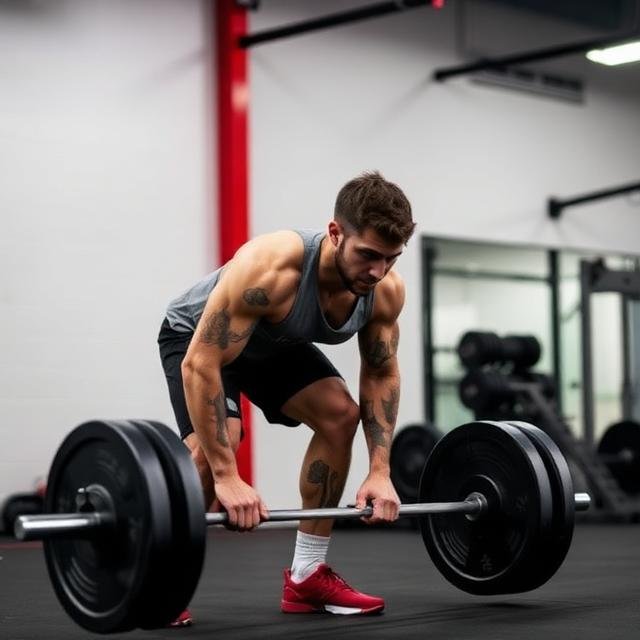
Strength training is a fundamental part of athletic development. Whether an athlete competes in football, basketball, track, or any other sport, building strength improves performance, reduces the risk of injury, and enhances overall physical conditioning. A well-designed strength training program helps athletes develop power, endurance, and stability needed for peak performance.
In this blog, we’ll explore how strength training programs work and how athletes can structure their workouts to achieve the best results.
Why Strength Training Is Important for Athletes
Strength training provides numerous benefits that directly impact athletic performance. Strong muscles allow athletes to generate more power, move faster, and maintain better control during competition.
Key benefits include:
- Increased muscle strength and power
- Improved speed and agility
- Better balance and coordination
- Reduced risk of injuries
- Enhanced endurance during competition
Athletes who follow consistent strength training programs often perform better in both training and competition.
Core Components of a Strength Training Program
An effective strength training program typically includes several essential components. These components help athletes build balanced strength throughout the body.
Compound Exercises
Compound exercises work multiple muscle groups at the same time. These movements are the foundation of most athletic training programs.
Examples include:
- Squats
- Deadlifts
- Bench press
- Pull-ups
- Lunges
Compound exercises improve overall strength and functional movement, which are essential for athletic performance.
Progressive Overload
Progressive overload is the principle of gradually increasing the difficulty of workouts over time. This forces muscles to adapt and grow stronger.
Athletes can apply progressive overload by:
- Increasing weights
- Adding more repetitions
- Increasing the number of sets
- Reducing rest time between sets
Consistent progression ensures continuous improvement.
Sport-Specific Training
Different sports require different physical abilities. Strength programs should be tailored to the athlete’s sport.
For example:
- Sprinters focus on explosive leg power
- Basketball players train for vertical jumping ability
- Football players develop full-body strength and power
Sport-specific training helps athletes build the exact physical skills needed for their sport.
Weekly Strength Training Structure
A typical strength training program for athletes may include three to four training sessions per week. Each session focuses on different muscle groups to allow adequate recovery.
Example weekly schedule:
Day 1 – Lower Body Strength
- Squats
- Lunges
- Romanian deadlifts
- Calf raises
Day 2 – Upper Body Strength
- Bench press
- Pull-ups
- Shoulder press
- Rows
Day 3 – Rest or Active Recovery
- Light cardio
- Stretching
- Mobility exercises
Day 4 – Power and Explosiveness
- Box jumps
- Power cleans
- Medicine ball throws
- Sprint drills
This balanced approach helps athletes build both strength and explosive power.
Importance of Recovery
Recovery is a critical part of any strength training program. Muscles grow and become stronger during rest periods, not just during workouts.
Athletes should focus on:
- Getting enough sleep
- Proper stretching and mobility work
- Hydration and balanced nutrition
- Rest days between intense workouts
Adequate recovery prevents overtraining and reduces injury risk.
Nutrition for Strength Development
Nutrition plays a major role in supporting strength training. Athletes need proper fuel to build muscle and recover after workouts.
Important nutrition factors include:
- Protein: Supports muscle repair and growth
- Carbohydrates: Provide energy for intense training
- Healthy fats: Support overall health and hormone function
- Hydration: Keeps muscles functioning properly
A balanced diet ensures athletes have the energy needed for effective training.
Avoiding Common Training Mistakes
Some athletes make mistakes that limit their progress. Avoiding these common issues can improve results.
Common mistakes include:
- Skipping warm-ups
- Using poor exercise form
- Training too frequently without recovery
- Ignoring mobility and flexibility work
- Lifting weights that are too heavy too soon
Proper technique and balanced training are essential for long-term success.
Final Thoughts
Strength training programs are essential for athletes who want to improve performance, build power, and stay injury-free. By focusing on compound exercises, progressive overload, and sport-specific training, athletes can develop the strength needed to compete at higher levels.
When combined with proper recovery and good nutrition, a structured strength training program can help athletes reach their full physical potential and perform at their best in any sport.