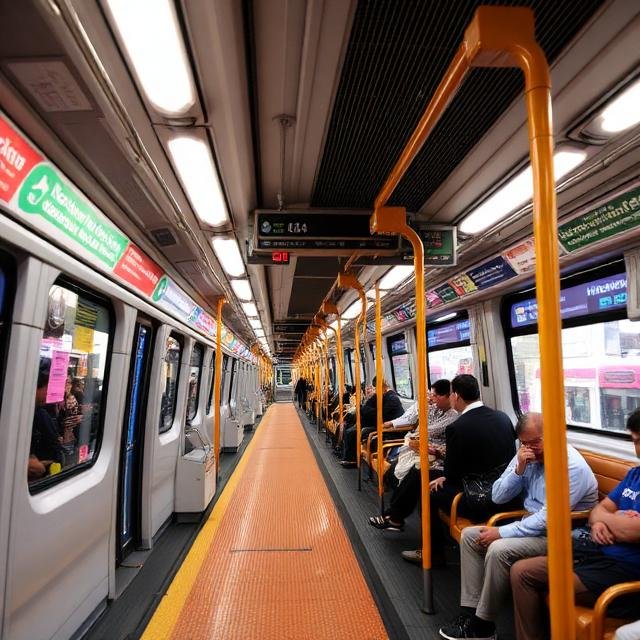
Using public transportation while traveling can save money, reduce stress, and help you experience a destination like a local. However, for tourists—especially first-time visitors—navigating buses, trains, subways, and trams can feel confusing. With a little preparation and the right tips, public transportation can become one of the easiest and most rewarding parts of your trip.
Why Use Public Transportation as a Tourist?
Public transportation is often cheaper, faster, and more environmentally friendly than taxis or rental cars. It also gives you a chance to observe daily local life and explore areas beyond major tourist attractions.
1. Research the Transportation System Before You Arrive
Before your trip, learn what types of public transportation are available—metro, buses, trams, ferries, or trains. Check how tickets work, operating hours, and major routes.
Tip: Visit the city’s official transportation website or download the transit app.
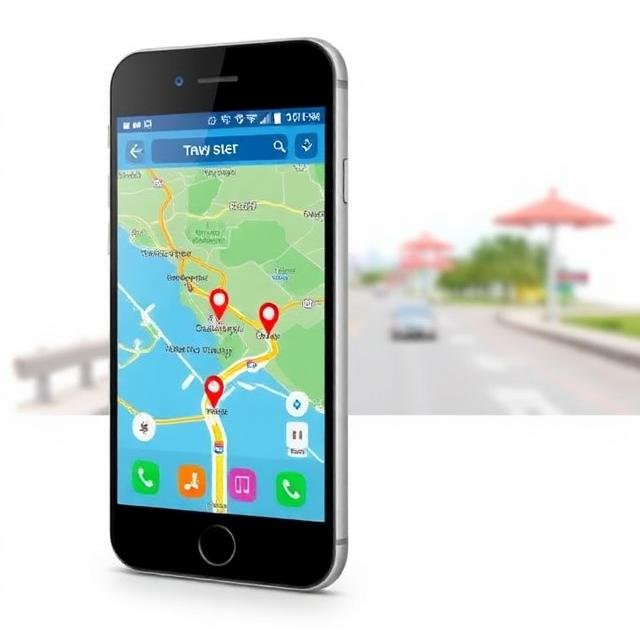
2. Use Transit Apps and Offline Maps
Navigation apps make public transportation much easier for tourists. Download apps for maps, routes, and real-time updates. Always save offline maps in case you lose internet access.
Helpful tools:
- Google Maps (offline mode)
- City-specific transit apps
- Ride-sharing apps as backups
3. Buy the Right Ticket or Travel Pass
Many cities offer daily, multi-day, or tourist passes that provide unlimited rides at a lower cost. These passes are ideal for sightseeing and eliminate the need to buy tickets repeatedly.
Tip: If you plan to use public transport often, travel passes can save both money and time.
4. Learn Basic Ticket Validation Rules
In some cities, tickets must be validated before boarding or immediately after entering the vehicle. Failure to do so may result in fines, even if the ticket is unused.
Tip: Look for validation machines or ask locals if you’re unsure.
5. Travel During Off-Peak Hours
Rush hours can be crowded and stressful, especially if you’re unfamiliar with the system. Try to travel outside peak times for a more comfortable experience.
Typical rush hours:
- Morning: 7:00–9:00 AM
- Evening: 4:30–7:00 PM
6. Keep Your Belongings Secure
Public transportation is generally safe, but crowded areas can attract pickpockets. Use anti-theft bags, keep zippers closed, and avoid placing valuables in easily accessible pockets.
Tip: Wear backpacks on your front in crowded trains or buses.
7. Follow Local Etiquette
Each city has its own public transportation etiquette. Common rules include giving up seats to elderly passengers, standing on one side of escalators, and keeping noise levels low.
Tip: Observe locals and follow their behavior.
8. Learn Key Route Names and Stops
Knowing the names of major stations, lines, and landmarks helps prevent confusion. Write down or save your destination in the local language if possible.
9. Don’t Be Afraid to Ask for Help
Most locals are willing to help tourists. Transit staff, fellow passengers, or station employees can guide you if you’re lost or confused.
Tip: A polite greeting goes a long way when asking for assistance.
10. Keep Backup Options Ready
Sometimes delays, strikes, or route changes happen. Have alternatives like walking routes, taxis, or ride-sharing apps available just in case.
Final Thoughts
Public transportation is one of the best ways for tourists to explore a city efficiently and affordably. With a little preparation, awareness, and confidence, you can navigate any transit system with ease. Embrace the experience—it’s not just a way to get around, but a window into local life.