As cryptocurrency adoption grows, so do cyber threats. Hackers target crypto users through phishing scams, malware, exchange breaches, and weak security practices. Because crypto transactions are irreversible, a single mistake can result in permanent loss.
The good news is that most crypto thefts are preventable. This guide explains how to secure your crypto assets from hackers using proven security best practices—whether you’re a beginner or an experienced investor.
Why Crypto Security Is So Important
Unlike traditional banks, cryptocurrencies are self-custodial. That means you are responsible for your own security. If hackers gain access to your private keys or recovery phrase, there’s no central authority that can reverse the transaction or recover your funds.
Common threats include:
- Phishing attacks
- Malware and keyloggers
- Fake apps and websites
- Exchange hacks
- Weak passwords and poor storage habits
1. Use a Hardware Wallet for Long-Term Storage
The safest way to store cryptocurrency is with a hardware wallet (cold storage).
Why Hardware Wallets Are Secure:
- Private keys stay offline
- Immune to online hacking attempts
- Require physical confirmation for transactions
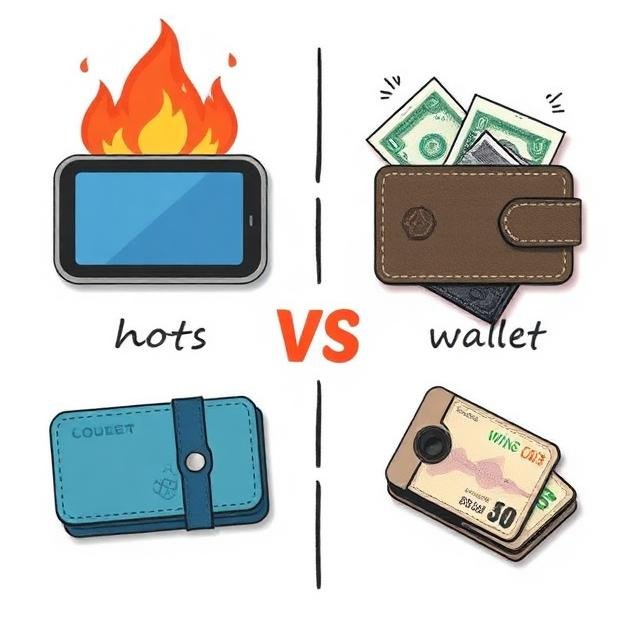
Hardware wallets are ideal for long-term holdings and large balances. Only keep small amounts in online (hot) wallets for trading.
2. Enable Two-Factor Authentication (2FA)
Two-factor authentication adds an extra layer of protection to your accounts.
Best Practices:
- Use authenticator apps (Google Authenticator, Authy)
- Avoid SMS-based 2FA when possible
- Enable 2FA on exchanges, wallets, and email accounts
Even if your password is compromised, 2FA can stop unauthorized access.
3. Protect Your Recovery Phrase
Your recovery phrase (seed phrase) is the master key to your crypto.
Critical Rules:
- Never share it with anyone
- Never store it online or in cloud storage
- Write it down and store it offline
- Consider storing backups in multiple secure locations
Anyone with your recovery phrase can access your crypto—no exceptions.
4. Beware of Phishing Scams
Phishing is one of the most common crypto hacking methods.
How to Avoid Phishing:
- Double-check website URLs
- Avoid clicking links from emails or social media
- Never connect your wallet to unknown websites
- Bookmark trusted crypto platforms
Scammers often impersonate exchanges, wallet providers, or influencers.
5. Use Strong, Unique Passwords
Weak or reused passwords are easy targets.
Password Security Tips:
- Use a password manager
- Create long, unique passwords for each platform
- Never reuse exchange or wallet passwords
- Change passwords periodically
A password manager helps generate and store secure credentials safely.
6. Keep Software and Devices Updated
Outdated software can contain security vulnerabilities.
What to Update Regularly:
- Wallet apps
- Operating systems
- Browsers
- Antivirus and firewall software
Updates often include important security patches that protect against new threats.
7. Avoid Public Wi-Fi for Crypto Transactions
Public Wi-Fi networks are vulnerable to attacks.
Best Practice:
- Avoid trading or accessing wallets on public networks
- Use a trusted home network or mobile hotspot
- Consider a reputable VPN for added privacy
Hackers can intercept data on unsecured networks.
8. Limit Exposure on Exchanges
Crypto exchanges are convenient—but they’re also targets.
Reduce Risk by:
- Storing only trading funds on exchanges
- Withdrawing unused funds to a personal wallet
- Using reputable, well-established exchanges
Remember the crypto rule: “Not your keys, not your coins.”
9. Verify Apps and Browser Extensions
Fake wallet apps and browser extensions are common attack vectors.
Safety Tips:
- Download apps only from official websites or app stores
- Verify developer names
- Avoid unknown browser extensions
- Check reviews and community feedback
Always verify before installing anything related to crypto.
10. Monitor Activity and Stay Alert
Early detection can prevent losses.
What to Do:
- Enable login alerts
- Monitor wallet and exchange activity
- Act immediately if suspicious behavior occurs
The faster you respond, the better your chances of limiting damage.
11. Educate Yourself Continuously
Crypto security threats evolve constantly.
Stay Informed By:
- Following reputable crypto news sources
- Learning about new scams and exploits
- Reviewing wallet and exchange security updates
Knowledge is one of your strongest defenses.
Final Thoughts
Securing your crypto assets from hackers requires discipline, awareness, and smart habits. Using hardware wallets, protecting your recovery phrase, avoiding phishing scams, and minimizing exchange exposure can dramatically reduce your risk.
Crypto gives you full control over your money—but with that freedom comes responsibility. A strong security setup today can save you from devastating losses tomorrow.