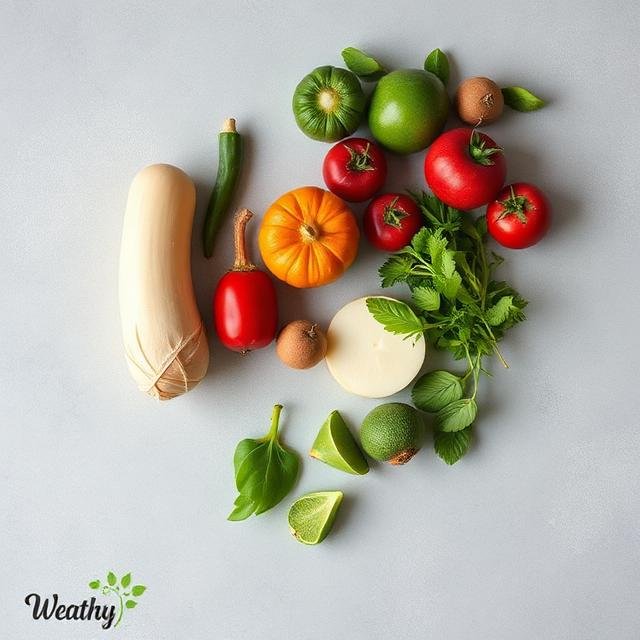
Maintaining a healthy heart starts with the food you eat every day. A heart-healthy diet can help lower cholesterol, control blood pressure, maintain a healthy weight, and reduce the risk of heart disease. For beginners, starting a balanced eating plan does not require complicated rules or extreme restrictions. Simple and consistent food choices can make a significant difference in improving heart health.
This guide will help beginners understand how to build a heart-healthy diet and create sustainable eating habits.
Why a Heart-Healthy Diet Matters
The heart pumps blood throughout the body, delivering oxygen and nutrients to organs and tissues. Poor eating habits—such as consuming too much salt, sugar, and unhealthy fats—can increase the risk of heart disease.
A heart-healthy diet helps to:
- Lower bad cholesterol (LDL)
- Improve blood circulation
- Maintain healthy blood pressure
- Reduce inflammation
- Support overall energy and wellness
Making smart dietary choices is one of the most effective ways to protect your heart.
Key Principles of a Heart-Healthy Diet
Before creating a meal plan, it is helpful to understand the basic principles of heart-healthy eating.
Eat More Fruits and Vegetables
Fruits and vegetables are rich in vitamins, minerals, antioxidants, and fiber. These nutrients support heart health and help reduce cholesterol levels.
Aim to include a variety of colorful fruits and vegetables in every meal.
Choose Whole Grains
Whole grains provide fiber that helps control cholesterol and improve digestion.
Healthy whole-grain options include:
- Oats
- Brown rice
- Whole-wheat bread
- Quinoa
- Barley
Replacing refined grains with whole grains is a simple way to improve heart health.
Include Lean Protein Sources
Protein is important for muscle health and energy. However, choosing the right sources is essential.
Heart-healthy protein options include:
- Fish (especially fatty fish like salmon and tuna)
- Skinless poultry
- Beans and lentils
- Tofu
- Nuts and seeds
Try to limit processed meats and high-fat red meats.
Choose Healthy Fats
Not all fats are harmful. Healthy fats can actually support heart health by improving cholesterol levels.
Good sources of healthy fats include:
- Olive oil
- Avocados
- Nuts and seeds
- Fatty fish
At the same time, reduce intake of saturated fats and avoid trans fats commonly found in fried and processed foods.
Reduce Salt and Sugar Intake
Excess salt can increase blood pressure, while too much sugar can lead to weight gain and metabolic problems.
Tips to reduce salt and sugar:
- Choose fresh foods instead of packaged foods
- Use herbs and spices instead of salt for flavor
- Avoid sugary beverages and desserts
- Read nutrition labels carefully
Small reductions in sodium and sugar can significantly benefit heart health.
Sample Heart-Healthy Diet Plan for Beginners
Here is a simple example of a daily heart-healthy meal plan.
Breakfast
- Oatmeal topped with fresh berries
- A handful of almonds
- A cup of low-fat milk or a plant-based alternative
Mid-Morning Snack
- An apple or banana
- A small portion of yogurt
Lunch
- Grilled chicken or chickpea salad with mixed vegetables
- Whole-grain bread or brown rice
- Olive oil and lemon dressing
Afternoon Snack
- Carrot sticks with hummus
- Green tea or water
Dinner
- Grilled fish or tofu
- Steamed vegetables such as broccoli or spinach
- Quinoa or whole-grain pasta
Optional Evening Snack
- A small bowl of fresh fruit or a few nuts
Additional Tips for a Heart-Healthy Lifestyle
Diet works best when combined with other healthy habits. Consider adding these practices to your routine:
- Exercise regularly (at least 30 minutes most days)
- Maintain a healthy body weight
- Drink plenty of water
- Avoid smoking
- Manage stress through relaxation techniques
Combining healthy eating with a balanced lifestyle strengthens heart health even further.
Make Gradual Changes
For beginners, it is important to make gradual and realistic changes rather than drastic diet shifts. Start by improving one meal at a time, such as choosing whole grains for breakfast or adding more vegetables to lunch.
Small steps taken consistently can lead to long-term improvements in heart health.
Final Thoughts
A heart-healthy diet does not have to be complicated. By focusing on nutritious foods like fruits, vegetables, whole grains, lean proteins, and healthy fats, beginners can build eating habits that support long-term cardiovascular health.
With consistency and mindful choices, a heart-healthy diet can help you feel more energetic, reduce health risks, and support a longer, healthier life. ❤️