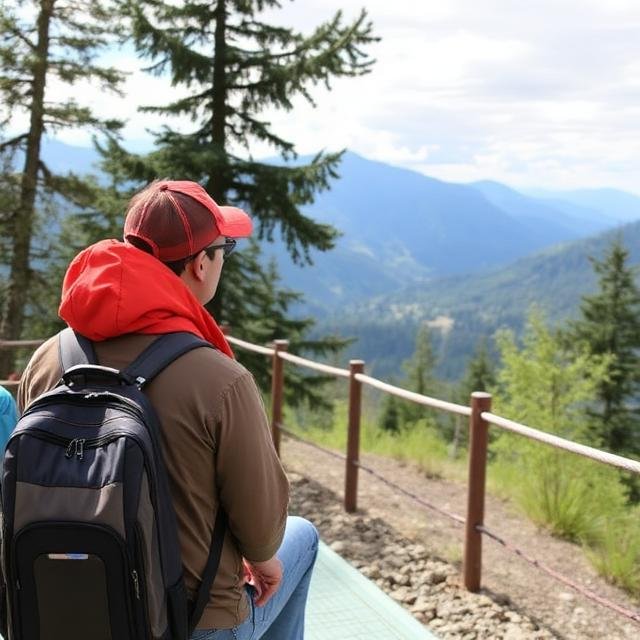
Adventure travel as a solo traveler can be incredibly rewarding. It offers freedom, self-discovery, and unforgettable experiences—from hiking remote trails to exploring wild landscapes. However, traveling alone also means you need to be extra prepared and safety-conscious. These adventure travel safety tips for solo travelers will help you explore confidently while minimizing risks.
1. Research Your Destination Thoroughly
Before your trip, learn as much as possible about your destination.
What to research:
- Local weather and terrain conditions
- Safety concerns and common risks
- Cultural norms and laws
- Emergency services and hospitals
Understanding the environment helps you prepare mentally and physically.
2. Plan Your Adventure Carefully
Avoid spontaneous high-risk activities when traveling solo.
Smart planning tips:
- Choose beginner- or intermediate-level adventures
- Stick to well-known trails and routes
- Plan realistic daily distances and rest times
- Avoid traveling at night in remote areas
A well-planned itinerary reduces unnecessary risks.
3. Share Your Itinerary with Someone You Trust
Always let someone know where you’re going.
Safety habit:
- Share your route, accommodation details, and activity plans
- Check in regularly via message or email
- Update them if plans change
This simple step can be critical in an emergency.
4. Pack the Right Safety Gear
Proper gear can make a big difference in an emergency.
Essential safety items:
- First aid kit
- Headlamp or flashlight
- Whistle or personal alarm
- Power bank and offline maps
- Weather-appropriate clothing
Never rely solely on technology—carry backups when possible.
5. Trust Your Instincts
Your intuition is one of your strongest safety tools.
If something feels off:
- Change your plans
- Avoid unsafe areas
- Leave situations that make you uncomfortable
It’s always better to be cautious than to take unnecessary risks.
6. Stay Connected but Not Distracted
Having access to communication is important, especially during adventure travel.
Connectivity tips:
- Buy a local SIM card or international data plan
- Download offline maps and emergency contacts
- Keep your phone charged at all times
At the same time, stay aware of your surroundings and avoid distractions.
7. Choose Reputable Tour Operators and Guides
For activities like trekking, diving, or climbing, use trusted professionals.
What to look for:
- Licensed guides
- Strong safety records
- Positive traveler reviews
- Proper equipment and insurance
Guided adventures are often safer for solo travelers.
8. Watch Your Health and Energy Levels
Overexertion can be dangerous, especially when you’re alone.
Health safety tips:
- Stay hydrated and eat regularly
- Take breaks when needed
- Know the signs of altitude sickness or heat exhaustion
- Carry personal medications
Listening to your body is essential during adventure travel.
9. Blend In and Avoid Drawing Attention
Looking like a tourist can sometimes make you a target.
Ways to stay low-profile:
- Dress like locals when possible
- Avoid displaying expensive gear or jewelry
- Keep valuables secure
Blending in reduces unwanted attention.
10. Have an Emergency Plan
Prepare for the unexpected.
Emergency essentials:
- Know local emergency numbers
- Carry travel insurance that covers adventure activities
- Identify safe exits and shelters
- Keep copies of important documents
Preparation gives you peace of mind and confidence.
Final Thoughts
Adventure travel as a solo traveler can be life-changing, offering independence, growth, and incredible memories. By planning carefully, staying alert, and following these adventure travel safety tips for solo travelers, you can enjoy thrilling experiences while staying safe and confident on the road.