Start Playing Cricket Right: Essential Equipment for New Players
Starting cricket can be exciting, but one of the first questions beginners face is: “What equipment do I need to play cricket?” Choosing the right gear can make a big difference in safety, comfort, and performance. From bats to protective gear, this guide explains point-by-point what cricket equipment beginners need, compares popular brands like SG, MRF, GM, and Kookaburra, and helps you make informed choices.
1. Why Choosing the Right Cricket Equipment Matters
For beginners, the correct cricket equipment:
- Ensures safety while playing.
- Helps develop proper technique.
- Improves confidence and performance.
- Prevents injuries caused by improper gear.
Investing in quality equipment from the start is better than frequently replacing cheap gear.
2. What Equipment Do I Need to Play Cricket?
Here’s a step-by-step guide to essential cricket equipment for beginners:
2.1 Cricket Bat
The cricket bat is the most important piece of equipment. Beginners should consider:
- Weight: Lighter bats (2lb 7oz–2lb 11oz) are easier for beginners to handle.
- Material: English willow bats are high quality, while Kashmir willow bats are more affordable for beginners.
- Size: Choose a bat that matches your height and playing style.
Tip: Try holding and swinging the bat before buying. Comfort and control are key.
2.2 Cricket Balls
- Red balls: Used for Test matches and traditional play.
- White balls: Used in limited-overs games like ODIs and T20s.
- Training balls: Soft or tennis balls are ideal for beginners to practice safely.
A cricket ball should feel comfortable and not too heavy for extended practice sessions.
2.3 Protective Gear
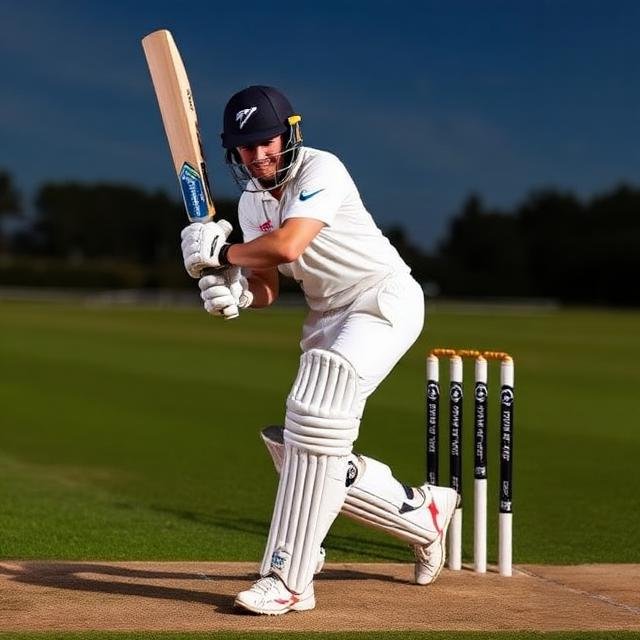
Safety is crucial in cricket, especially for beginners learning technique. Essential protective gear includes:
- Helmet: Protects against fast deliveries. Look for helmets with good ventilation and proper grille protection.
- Batting Gloves: Cushion hands and protect fingers from impact.
- Pads (Leg Guards): Protect knees and shins when batting or facing fast bowlers.
- Abdominal Guard (Box): Protects sensitive areas.
- Arm Guards and Chest Guards: Optional but recommended for higher-speed practice sessions.
Tip: Never compromise on protective gear; safety should always come first.
2.4 Cricket Shoes
- Spiked shoes: Provide traction on grassy pitches.
- Turf shoes: Suitable for practice on artificial or hard pitches.
- Comfort: Ensure proper fit to avoid blisters and ankle injuries.
Choosing the right footwear improves running between wickets, bowling grip, and fielding agility.
2.5 Clothing and Accessories
- Cricket Whites or Kit: Traditional attire for longer formats.
- T-shirts and Shorts: Lightweight and breathable for casual practice or limited-overs cricket.
- Sweatbands and Gloves: Improve grip and comfort.
- Cap or Sunhat: Protects from sun during long outdoor sessions.
Proper clothing ensures comfort, especially during summer or long practice sessions.
3. Which Cricket Brand is Best for Beginners?
Beginners often wonder which brand provides the best combination of quality and affordability. Some popular options include:
- SG (Sanspareils Greenlands): Known for balanced bats and durable balls; ideal for beginners in India.
- MRF (Madras Rubber Factory): Offers high-quality bats used by professionals; lightweight options are beginner-friendly.
- GM (Gunn & Moore): UK-based brand; provides excellent English willow bats suitable for beginners looking for long-term investment.
- Kookaburra: Australian brand; known for premium balls and durable bats; beginner options are available at lower prices.
Tip: For beginners, SG and Kookaburra offer good value and durability, while MRF and GM are suitable for those wanting long-term professional-quality equipment.
4. SG vs MRF: Which is Better?
Both SG and MRF are popular in India, but there are differences:
| Feature | SG | MRF |
|---|---|---|
| Bat Weight | Lightweight options available | Slightly heavier, powerful |
| Material | Kashmir & English willow | English willow mostly |
| Grip & Comfort | Good grip for beginners | Excellent, slightly advanced feel |
| Price | Affordable | Higher-priced, professional quality |
| Durability | Durable, beginner-friendly | Very durable, long-lasting |
Recommendation: Beginners often prefer SG for ease of handling and affordability, while MRF suits those aiming for professional play.
5. GM vs Kookaburra: Which is Better?
- GM (Gunn & Moore): Known for English willow bats, perfect balance, and long lifespan. Slightly heavier for beginners but excellent for skill development.
- Kookaburra: Lightweight, strong, and widely available in cricket academies. Great for indoor and outdoor practice.
Tip: For beginners, Kookaburra offers comfort and manageable weight, while GM is better if you plan to invest in a quality bat for long-term use.
6. Choosing the Right Bat Size
Bat size depends on your height and age:
| Player Height | Bat Size |
| Up to 4’6” | Size 0 or 1 |
| 4’6”–5’0” | Size 2 or 3 |
| 5’0”–5’6” | Size 4 or 5 |
| 5’6”–6’0” | Size 5 or 6 |
| Above 6’0” | Full-size (6 or 7) |
Tip: A bat that’s too heavy will reduce control, while a very light bat might lack power. Test different sizes before buying.
7. Additional Equipment for Beginners
- Practice Nets: Safe environment to practice batting and bowling.
- Stumps and Bails: Essential for small-sided practice games.
- Cones or Markers: Useful for fielding drills and running exercises.
- Training Balls: Tennis or rubber balls are safer for beginners.
These extras enhance training efficiency and make learning more enjoyable.
8. Maintenance of Cricket Equipment
Proper maintenance ensures longevity:
- Bats: Oil English willow bats before use; avoid excessive moisture.
- Balls: Keep them dry; store in a ball bag.
- Protective Gear: Clean pads, gloves, and helmets after every session.
- Shoes: Check spikes and clean after muddy sessions.
Good maintenance improves performance and prevents damage to your equipment.
9. Buying Tips for Beginners
- Start with affordable gear: Avoid high-end pro models initially.
- Prioritize safety: Never compromise on helmets, gloves, and pads.
- Check weight and comfort: Ensure equipment is suitable for your size and strength.
- Choose reputable brands: SG, MRF, Kookaburra, and GM are reliable.
- Test before buying: If possible, hold and swing bats or wear gloves before purchase.
10. Summary: Essential Cricket Equipment for Beginners
- Bat: Lightweight, comfortable, size-appropriate.
- Ball: Red, white, or training balls for practice.
- Helmet: Protects head from fast deliveries.
- Pads and Gloves: Essential for safety while batting.
- Abdominal Guard: Protects sensitive areas.
- Shoes: Spiked or turf shoes for grip and comfort.
- Clothing: Breathable and comfortable kit.
- Optional Extras: Arm guards, chest guards, stumps, cones, and practice nets.
Choosing the right equipment builds confidence, safety, and skill development for beginners.
11. Final Thoughts
For beginners, cricket is more enjoyable and productive with the right equipment. Knowing what equipment you need to play cricket, choosing suitable bats, balls, and protective gear, and selecting trusted brands like SG, MRF, GM, or Kookaburra can make a big difference. Start with beginner-friendly gear, prioritize safety, and gradually upgrade as you improve your skills. Proper equipment, combined with practice, ensures a strong foundation for a long and successful cricket journey.