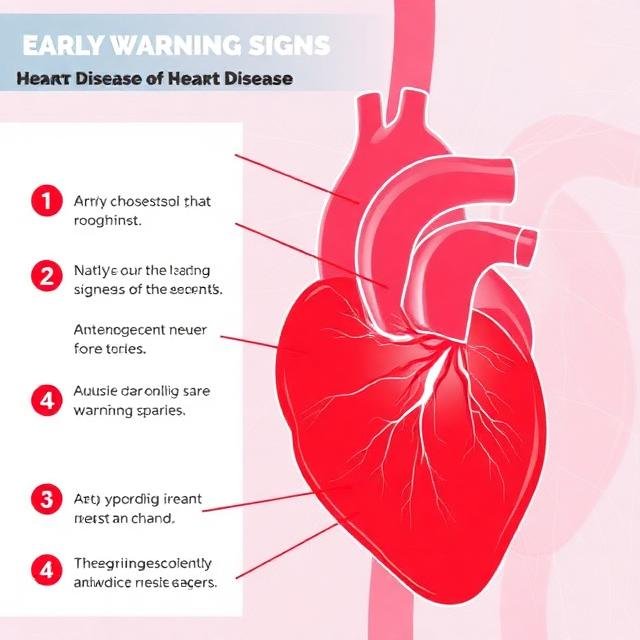
Heart disease is one of the leading causes of health problems worldwide. Many people believe that heart disease only appears suddenly, such as during a heart attack, but in reality the body often shows warning signs long before serious complications occur. Recognizing these early symptoms can help individuals seek medical attention sooner and take steps to protect their heart health.
In this blog, we will discuss common early warning signs of heart disease and why paying attention to them is important.
Why Early Detection Matters
Early detection of heart disease can significantly improve treatment outcomes and prevent life-threatening conditions. When symptoms are recognized early, individuals can make lifestyle changes, receive proper medical care, and reduce their risk of severe heart problems.
Common risk factors that increase the likelihood of heart disease include:
- High blood pressure
- High cholesterol
- Smoking
- Obesity
- Diabetes
- Lack of physical activity
- Poor diet
People with these risk factors should be especially aware of potential warning signs.
Chest Discomfort or Pain
One of the most well-known symptoms of heart disease is chest discomfort. This feeling may appear as pressure, tightness, burning, or pain in the chest.
Chest pain related to heart issues may:
- Occur during physical activity
- Spread to the arms, neck, jaw, or back
- Last for several minutes or come and go
Although not all chest pain indicates heart disease, persistent discomfort should always be evaluated by a healthcare professional.
Shortness of Breath
Difficulty breathing or feeling short of breath during normal activities may signal a heart problem. When the heart cannot pump blood efficiently, fluid may build up in the lungs, making breathing more difficult.
Shortness of breath may occur:
- During physical activity
- While resting
- When lying down
This symptom should not be ignored, especially if it appears suddenly or worsens over time.
Unusual Fatigue
Extreme or unexplained fatigue can be an early sign of heart disease, particularly in women. Feeling constantly tired even after adequate rest may indicate that the heart is not pumping blood efficiently.
Fatigue related to heart problems may appear as:
- Difficulty completing everyday tasks
- Feeling exhausted after light activity
- Lack of energy for extended periods
If fatigue becomes persistent and unexplained, it may be worth discussing with a healthcare provider.
Swelling in the Legs, Ankles, or Feet
Swelling in the lower parts of the body can occur when the heart struggles to circulate blood effectively. This condition, known as fluid retention, may cause noticeable swelling in:
- Feet
- Ankles
- Legs
Swelling may also be accompanied by weight gain due to fluid buildup.
Irregular Heartbeat or Palpitations
An irregular heartbeat or the sensation of the heart racing, fluttering, or skipping beats can sometimes signal heart disease.
Occasional palpitations may be harmless, but frequent or persistent irregular heart rhythms should be evaluated by a medical professional.
Dizziness or Lightheadedness
Feeling dizzy or faint may occur when the brain is not receiving enough blood and oxygen. This can happen if the heart is not pumping effectively.
Symptoms may include:
- Sudden dizziness
- Feeling faint or weak
- Temporary loss of balance
If dizziness occurs frequently, it is important to seek medical advice.
Nausea or Indigestion
Some individuals, especially women, may experience nausea, stomach discomfort, or indigestion as early signs of heart problems. These symptoms can sometimes be mistaken for digestive issues.
If digestive discomfort is combined with chest pain, fatigue, or shortness of breath, it may require medical evaluation.
Pain in Other Areas of the Body
Heart-related discomfort does not always stay in the chest. Pain may spread to other parts of the body, including:
- The arms (especially the left arm)
- Neck or jaw
- Shoulders
- Upper back
This type of pain can sometimes appear before or during a heart attack.
When to Seek Medical Attention
Immediate medical attention is necessary if someone experiences:
- Severe chest pain or pressure
- Sudden shortness of breath
- Fainting or loss of consciousness
- Pain spreading to the arms, neck, or jaw
Early medical care can prevent serious complications and save lives.
How to Reduce the Risk of Heart Disease
Recognizing warning signs is important, but prevention is equally essential. Healthy lifestyle choices can significantly reduce the risk of heart disease.
Helpful preventive steps include:
- Eating a balanced and nutritious diet
- Exercising regularly
- Maintaining a healthy weight
- Avoiding smoking
- Managing stress
- Monitoring blood pressure and cholesterol
Regular health checkups also help detect potential problems early.
Final Thoughts
Heart disease often develops gradually, and the body may provide warning signals before serious problems occur. Paying attention to symptoms such as chest discomfort, fatigue, shortness of breath, or swelling can help individuals seek medical help in time.
By recognizing early warning signs and adopting healthier lifestyle habits, people can take important steps toward protecting their heart and improving long-term health.