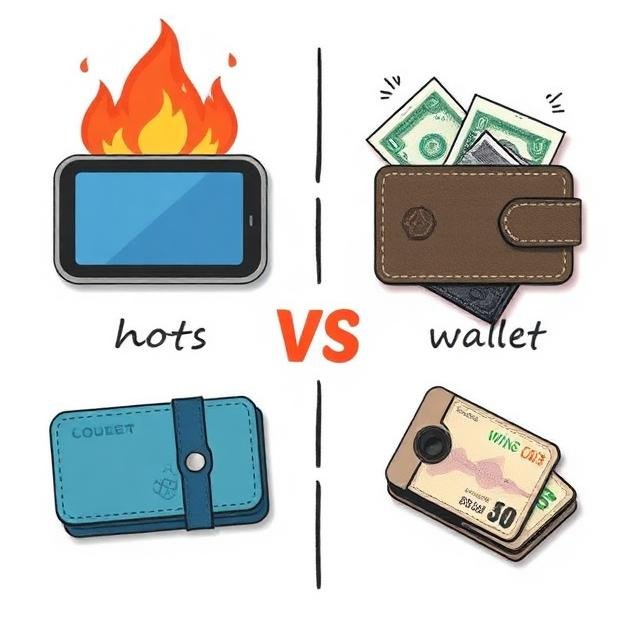
Hot Wallets vs Cold Wallets Explained: Which Is Better for Crypto?
Storing cryptocurrency safely is just as important as choosing which coins to invest in. One of the first decisions every crypto user must make is whether to use a hot wallet or a cold wallet. Each option has its advantages and drawbacks, and the right choice depends on how you use your crypto.
In this guide, we’ll explain hot wallets vs cold wallets, how they work, their pros and cons, and which one may be best for you.
What Is a Crypto Wallet?
A crypto wallet doesn’t store your coins directly. Instead, it stores your private keys, which give you access to your cryptocurrency on the blockchain. Whoever controls the private keys controls the funds.
Crypto wallets are generally divided into two main types:
- Hot wallets (online wallets)
- Cold wallets (offline wallets)
What Is a Hot Wallet?
A hot wallet is connected to the internet. These wallets are designed for convenience and quick access.
Common Types of Hot Wallets:
- Mobile wallets
- Desktop wallets
- Web wallets
- Exchange wallets
Advantages of Hot Wallets:
✔ Easy to use
✔ Fast transactions
✔ Ideal for daily trading and payments
✔ Often free to use
Disadvantages of Hot Wallets:
❌ More vulnerable to hacking
❌ Exposed to malware and phishing
❌ Not ideal for storing large amounts long term
Hot wallets are best for small balances and frequent transactions.
What Is a Cold Wallet?
A cold wallet stores private keys offline, keeping them away from online threats.
Common Types of Cold Wallets:
- Hardware wallets
- Paper wallets
- Offline storage devices
Advantages of Cold Wallets:
✔ Maximum security
✔ Immune to online attacks
✔ Best for long-term storage
✔ Ideal for large crypto holdings
Disadvantages of Cold Wallets:
❌ Less convenient for frequent trading
❌ Requires careful backup management
❌ Usually costs money (hardware wallets)
Cold wallets are preferred by long-term investors and security-conscious users.
Hot Wallets vs Cold Wallets: Key Differences
| Feature | Hot Wallets | Cold Wallets |
|---|---|---|
| Internet Connection | Online | Offline |
| Security Level | Moderate | Very High |
| Ease of Use | High | Moderate |
| Best For | Trading & daily use | Long-term storage |
| Cost | Usually free | Paid (hardware) |
| Risk of Hacking | Higher | Very Low |
Which Wallet Should You Use?
The best approach for most users is using both.
Recommended Strategy:
- Hot wallet: Small amount for trading and daily transactions
- Cold wallet: Majority of funds for long-term holding
This balance provides convenience without sacrificing security.
Security Tips for Both Wallet Types
Regardless of which wallet you choose:
- Enable two-factor authentication (2FA)
- Never share your recovery phrase
- Beware of phishing scams
- Keep software updated
- Use strong passwords
Security habits matter more than the wallet type alone.
Common Mistakes to Avoid
❌ Keeping all funds on exchanges
❌ Storing recovery phrases online
❌ Using public Wi-Fi for transactions
❌ Ignoring software updates
Avoiding these mistakes significantly reduces risk.
Final Thoughts
Understanding the difference between hot wallets and cold wallets is essential for protecting your cryptocurrency. Hot wallets offer convenience and speed, while cold wallets provide unmatched security. The smartest strategy is often a combination of both—using hot wallets for daily use and cold wallets for long-term storage.
Crypto gives you full control over your assets, but with that control comes responsibility. Choosing the right wallet setup can make all the difference.