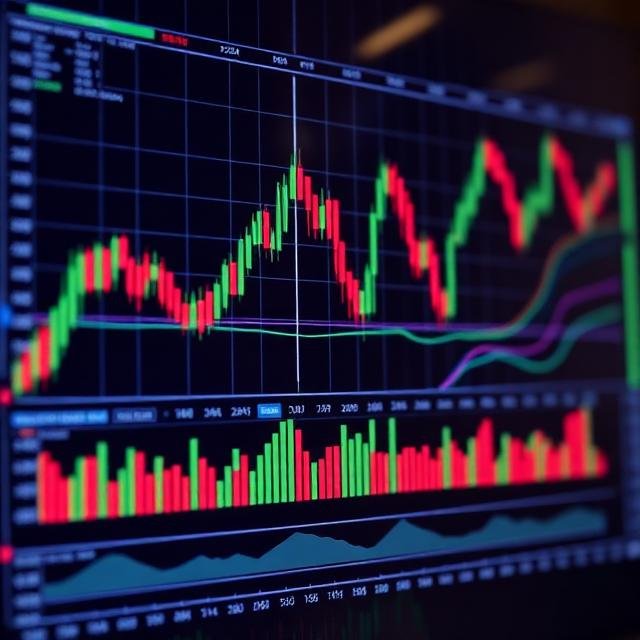
Technical analysis is one of the most popular methods used by crypto traders to understand price movements and make informed trading decisions. Because cryptocurrency markets are highly volatile and operate 24/7, technical indicators help traders identify trends, momentum, and potential entry or exit points.
In this guide, we’ll explain the most important technical analysis indicators for crypto trading, how they work, and how beginners can use them effectively.
What Is Technical Analysis in Crypto Trading?
Technical analysis (TA) involves analyzing historical price data, trading volume, and chart patterns to predict future price movements. Instead of focusing on news or fundamentals, TA relies on indicators and price charts.
Technical analysis is commonly used for:
- Short-term trading
- Swing trading
- Identifying trends and reversals
1. Moving Averages (MA)
What It Is:
A moving average smooths price data over a specific time period to identify trends.
Common Types:
- Simple Moving Average (SMA)
- Exponential Moving Average (EMA)
How Traders Use It:
- Price above MA → uptrend
- Price below MA → downtrend
- EMA reacts faster than SMA, making it useful for crypto markets
Moving averages are beginner-friendly and widely used.
2. Relative Strength Index (RSI)
What It Is:
RSI is a momentum indicator that measures whether an asset is overbought or oversold.
RSI Levels:
- Above 70 → Overbought
- Below 30 → Oversold
Why It’s Useful:
RSI helps traders identify potential reversals and avoid buying at market tops or selling at bottoms.
3. Moving Average Convergence Divergence (MACD)
What It Is:
MACD shows the relationship between two moving averages and indicates momentum changes.
Key Components:
- MACD line
- Signal line
- Histogram
How Traders Use It:
- Bullish crossover → potential buy signal
- Bearish crossover → potential sell signal
MACD works best in trending markets.
4. Support and Resistance Levels
What They Are:
- Support: A price level where buying pressure prevents further decline
- Resistance: A price level where selling pressure prevents further rise
Why They Matter:
Support and resistance help traders:
- Set entry and exit points
- Place stop-loss orders
- Identify breakouts
These levels are essential for all trading strategies.
5. Bollinger Bands
What It Is:
Bollinger Bands consist of:
- Middle band (moving average)
- Upper band
- Lower band
How Traders Use Them:
- Price near upper band → potential overbought
- Price near lower band → potential oversold
- Band expansion → increased volatility
Bollinger Bands are great for identifying volatility and price extremes.
6. Volume Indicator
What It Is:
Volume measures how much of a cryptocurrency is being traded.
Why Volume Matters:
- Confirms price movements
- High volume during breakouts adds credibility
- Low volume may signal weak trends
Volume is often used alongside other indicators.
7. Fibonacci Retracement
What It Is:
Fibonacci retracement levels help identify potential support and resistance during pullbacks.
Common Levels:
- 23.6%
- 38.2%
- 50%
- 61.8%
Use Case:
Traders use Fibonacci levels to:
- Identify buying opportunities in uptrends
- Set profit targets
8. Stochastic Oscillator
What It Is:
A momentum indicator comparing a coin’s closing price to its price range over time.
Key Levels:
- Above 80 → Overbought
- Below 20 → Oversold
It’s especially useful in sideways or range-bound markets.
9. Average True Range (ATR)
What It Is:
ATR measures market volatility.
How Traders Use It:
- Set stop-loss distances
- Avoid trading during extreme volatility
- Adjust position size
ATR doesn’t predict direction but helps manage risk.
How to Use Indicators Effectively
✔ Combine multiple indicators instead of relying on one
✔ Avoid overloading charts with too many tools
✔ Match indicators to your trading style
✔ Always use risk management strategies
Indicators are tools—not guarantees.
Common Mistakes Beginners Make
❌ Using too many indicators
❌ Ignoring risk management
❌ Trading every signal
❌ Forgetting market context
Simple setups usually work best for beginners.
Best Tools for Technical Analysis
- TradingView
- Crypto exchange charting tools
- Mobile trading apps with indicators
These platforms make it easy to apply and practice technical analysis.
Final Thoughts
Technical analysis indicators are powerful tools that help crypto traders understand market behavior and make informed decisions. For beginners, starting with moving averages, RSI, support and resistance, and volume is a smart approach.
As you gain experience, you can explore more advanced indicators and develop a strategy that fits your goals and risk tolerance. Remember—discipline and consistency matter more than any single indicator.