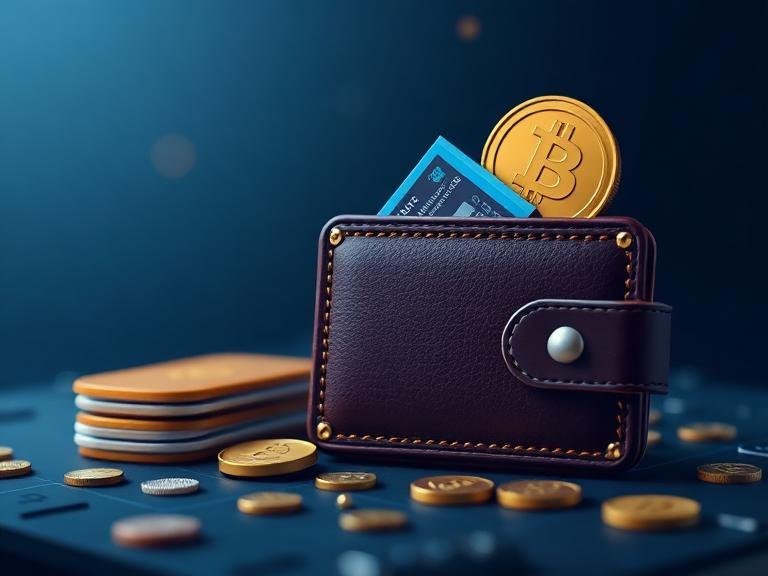
Best Bitcoin Wallets for Secure Storage
When it comes to holding Bitcoin safely, where you store your coins matters just as much as how you buy them. Unlike money in a bank, Bitcoin isn’t insured or protected by a third party, so choosing the right wallet—and understanding the difference between types—is key to keeping your crypto secure.
In this guide, we’ll break down top Bitcoin wallets for secure storage, from hardware wallets for long-term holding to trusted software wallets for everyday use.
Why Secure Bitcoin Storage Matters
Bitcoin is secured by cryptography and the blockchain itself—but your private keys are what truly control your coins. If someone gets access to your private key, they can spend your Bitcoin. That’s why secure wallet choices are essential, especially if you plan to hold Bitcoin long-term.
Types of Bitcoin Wallets
Before we list specific wallets, it helps to understand the two main types:
🔐 Cold Wallets (Offline Storage)
Cold wallets store private keys offline, away from the internet. This makes them the safest option, especially for large amounts of Bitcoin or long-term holding. They’re ideal for “set it and forget it” storage.
📱 Hot Wallets (Online Software)
Hot wallets run on your phone or computer and are connected to the internet. They’re more convenient for daily use and spending, but they’re also more vulnerable to hacks than cold wallets.
🥇 Best Bitcoin Wallets for Secure Storage
1. Ledger (Hardware Wallet)
Why it’s great: Ledger hardware wallets like the Nano X and Nano S Plus keep your Bitcoin offline and safe using secure chips. They’re widely trusted and support thousands of cryptocurrency assets.
Best for: Long-term holders who want high security and broad coin support.
Pros:
- Stores keys offline
- Works with Ledger Live app
- Supports many blockchains
Cons: Requires purchase and setup.
2. Trezor Safe 3 / Model T2 (Hardware Wallets)
Trezor wallets are fully open-source, which means anyone can review their code to check for security issues. The Safe 3 and Model T2 are popular choices for Bitcoin users who want transparency, strong offline protection, and hardware verification before transactions.
Best for: Users who prioritize open-source transparency and security.
Pros:
- Private keys stay offline
- Easy hardware confirmation
- Strong security features
Cons: Higher cost than some other hardware wallets.
3. Electrum (Software Wallet)
Electrum is a long-established Bitcoin wallet known for strong security and control. It doesn’t store the full blockchain (making it lightweight), and it works well with hardware wallets for added protection.
Best for: Tech-savvy users who want full control of Bitcoin keys on desktop or mobile.
Pros:
- Bitcoin-only and focused
- Works with hardware wallets
- Advanced security features
Cons: Not as beginner-friendly as some mobile wallets.
4. Exodus (Desktop & Mobile Wallet)
Exodus is a popular user-friendly wallet that supports Bitcoin and many other cryptocurrencies. While it’s a hot wallet (connected to the internet), it’s easy to use and integrates with hardware wallets for increased security.
Best for: Beginners who want a simple interface with multi-asset support.
Pros:
- Easy to use
- Works on desktop and mobile
- Integrates with hardware wallets
Cons: Hot wallets are less secure than cold wallets.
5. BlueWallet (Mobile Wallet)
BlueWallet is a mobile wallet that keeps Bitcoin keys locally and offers strong encryption. It’s a good step up from exchange wallets if you need on-the-go access.
Best for: Everyday Bitcoin use on iOS or Android.
Pros:
- Keys stored locally
- Easy setup
- Supports Lightning Network
Cons: Not as secure as hardware wallets.
🛡️ Extra Tips for Secure Bitcoin Storage
✔ Never store large amounts on exchanges — exchanges can be hacked or go offline.
✔ Back up your recovery seed on paper or metal (not online).
✔ Keep your seed phrase in a safe, private place — losing it can mean losing your Bitcoin.
✔ Consider a hardware wallet if you plan to hold long-term.
Final Thoughts
The best Bitcoin wallet for you depends on how you plan to use it:
- Cold hardware wallets like Ledger and Trezor offer the highest security for long-term storage.
- Software wallets like Electrum, Exodus, and BlueWallet are great for frequent use and smaller amounts, especially when paired with a hardware wallet.
No matter what wallet you choose, keep your private keys secure and always back up your recovery phrase. That’s the foundation of safe Bitcoin storage!